


DSCR and No-Ratio DSCR loans both qualify borrowers based on property performance rather than personal income -- but they work differently under the hood. Choosing the right one depends on your property's current cash flow, your timeline, and how much documentation you want to deal with. Here's a straightforward comparison to help you pick the program that fits your investment strategy.
No W-2s or Tax Returns
Both DSCR and No-Ratio DSCR programs skip personal income documentation entirely. Qualification is based on the property.
All Property Types
Single-family rentals, vacation properties, multifamily buildings, condos, and apartment complexes all qualify.
Close in 3 Weeks
Minimal documentation means faster underwriting. Most loans close in roughly three weeks from application.
Up to 75% LTV
Finance up to 75% of the property value on purchase or refinance with competitive fixed-rate terms.
What Is a DSCR Loan?
DSCR stands for Debt Service Coverage Ratio. It measures whether a property's rental income covers the mortgage payment, taxes, and insurance. A DSCR of 1.0 means the rent exactly covers the debt. Most lenders want at least a 1.20x ratio -- meaning the property generates 20% more income than the total monthly obligation.
When you apply for a DSCR loan, the ratio drives your loan size and pricing. Higher DSCR means better rates. A property generating $2,000/month in rent with a $1,500 PITI payment has a 1.33x DSCR -- that's a strong ratio that gets favorable terms. Want to run your own numbers? Try our free DSCR calculator to see where your property stands.
DSCR loans work best for stabilized rental properties with existing tenants and documented lease income. If your property is already cash-flowing, this is the program that rewards you for it.
What Is a No-Ratio DSCR Loan?
A No-Ratio DSCR loan uses the same general framework, but the ratio isn't the primary qualification factor. Instead, these are asset-based loans where the property's appraised value drives the loan amount. You can borrow up to 70% of the appraised value regardless of current rental income.
Pricing incentives may still apply for strong credit scores, favorable LTV, desirable zip codes, larger loan sizes, longer terms, and leased versus vacant status. But the key difference is you don't need a performing lease to qualify.
No-Ratio DSCR loans are built for investors who are acquiring properties that need repositioning -- vacant units, properties requiring renovation, or buildings transitioning from one use to another. You get financing based on what the property is worth right now, then bring it up to a performing level over time.
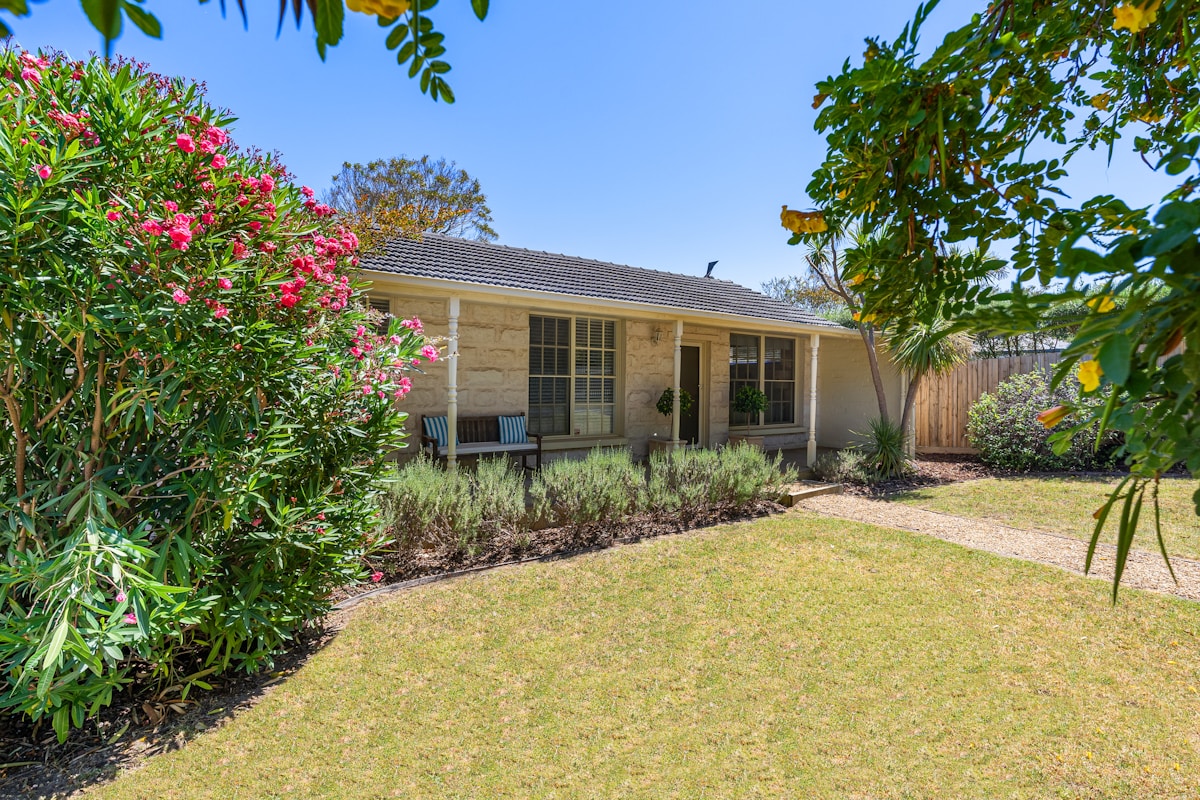
DSCR loans reward performing properties while No-Ratio loans finance properties with potential
Which Program Should You Choose?
The right loan depends on where your property stands right now. Ask yourself two questions: Does the property have a lease in place generating income? And does that income clearly cover the mortgage payment with room to spare?
If the answer to both is yes, a standard DSCR loan will get you better pricing. The stronger your ratio, the lower your rate. Properties with a 1.25x DSCR or higher are ideal candidates.
If the answer is no -- maybe the property is vacant, under-rented, or needs work before it can hit market rent -- a No-Ratio DSCR loan removes the income requirement. You qualify on value, get financed, and then bring the property up to performance. Once it's stabilized, you can refinance into a standard DSCR product with a residential rental property loan at better long-term rates.
Not Sure Which Program Fits Your Property?
Our team can evaluate your property's income, value, and condition to recommend the right loan structure. One call gives you a clear answer.
Can You Use No-Ratio DSCR for Vacation Rentals?
Yes. No-Ratio DSCR loans are especially popular with short-term rental investors because Airbnb and Vrbo properties don't always have traditional 12-month leases. Proving a consistent DSCR ratio on a vacation rental can be tricky when income fluctuates seasonally. The No-Ratio program sidesteps that problem entirely by qualifying on property value instead of income verification.
This makes it an ideal path for investors entering the vacation rental market. Buy based on value, furnish the property, list it on platforms, and let the seasonal income build over time. Once you have 12 months of booking history, you can refinance into a standard DSCR product if the numbers support it.
What Documentation Do You Need?
Neither program requires W-2s, tax returns, or 4506 forms. But they differ slightly in what you do need:
For a DSCR loan, you'll need current lease agreements and proof of rental income to calculate the ratio. The lender also orders an appraisal and reviews the property's operating expenses.
For a No-Ratio DSCR loan, documentation is even lighter. You need the property appraisal and proof of PITI cash reserves (typically 3-6 months). No lease required. No income verification at all. Credit standards tend to be more flexible as well, with minimum scores starting around 640.
Quick Comparison: DSCR vs No-Ratio DSCR
- DSCR loans reward strong cash flow with better rates and higher leverage
- No-Ratio DSCR loans qualify on property value -- no lease or income needed
- Both programs skip W-2s, tax returns, and personal income verification
- Use No-Ratio for vacant, under-rented, or transitioning properties
- Both close in approximately three weeks with minimal paperwork
Ready to Finance Your Next Rental Property?
Whether you need a DSCR loan for a stabilized rental or a No-Ratio loan for a new acquisition, we'll match you with the right program. Apply online or call for a free consultation.