

Refinancing a rental property costs money upfront — typically 1.5% to 3% of the loan balance in closing costs. The question isn't whether you can get a lower rate. It's whether the monthly savings justify those costs, and how long it takes to break even.
Use this calculator to see your exact break-even point, monthly savings, and total interest saved over the life of the loan. If you're pulling cash out for another acquisition, enter that amount too — the math changes significantly with cash-out.
Refinance Break-Even Calculator
Find out when your refinancing savings exceed closing costs
Current Loan
New Loan
Default: ~2% of loan balance
Break-Even Point
30 mo
(2 years, 6 months)
Strong Refinance
New Loan Summary
Refinance Makes Sense? Let's Move Forward
If the break-even timeline works for your investment strategy, we can get your refinance started. Most loans close in 2-4 weeks.
Break-Even = Closing Costs ÷ Monthly Payment Savings
Under 36 months is a strong refinance. Over 60 months? Talk to us about No-Ratio DSCR programs that may offer better terms.
Lower Your Rate
Dropping even 0.5% on a $300K loan saves roughly $100/month. Over 30 years, that's $36,000+ back in your pocket — minus closing costs.
Cash-Out Equity
Pull equity from an appreciated property and deploy it into your next acquisition. DSCR cash-out refinances go up to 75-80% LTV with no income docs.
Shorten Your Term
Switch from a 30-year to a 15 or 20-year loan. Your payment may go up, but you'll pay dramatically less total interest and own the property free and clear sooner.
Consolidate Debt
Roll multiple property loans into a single blanket mortgage with one payment. Simplifies your portfolio and often reduces your blended rate.
Ready to Refinance Your Rental Property?
If your break-even is under 3 years, the math works in your favor. Call us with your property details and we'll quote exact rates and closing costs — no obligation, no application fees.
When Does Refinancing a Rental Property Make Sense?
The break-even calculation is straightforward: divide your closing costs by your monthly savings. But the real decision is more nuanced than that. You need to weigh the break-even timeline against how long you plan to hold the property, whether you're pulling cash out for another deal, and what your current loan terms look like.
A rate reduction of 0.75% to 1% or more on a 30-year DSCR loan typically produces a break-even under 24 months — that's a clear win for any investor holding the property more than two years. Even a 0.5% drop can make sense if the loan balance is large enough or the closing costs are negotiated down.
Cash-out refinances change the math. When you pull $50,000 or $100,000 out of a property, your new loan balance is higher, which may offset the rate savings. Your monthly payment could actually go up. That doesn't mean it's a bad move — if that cash buys you another property generating $500/month in cash flow, the portfolio-level return justifies the higher individual payment. Just don't use the break-even calculator in isolation for cash-out scenarios. Think about total portfolio return.
How Do DSCR Refinance Loans Work?
DSCR refinance loans qualify based on the property's rental income relative to its debt payment — not your personal income, W-2s, or tax returns. As long as the property's rent covers the new mortgage payment by at least 1.0x to 1.2x (depending on the program), you qualify. This makes DSCR refinancing especially useful for self-employed investors, high-write-off borrowers, or anyone who owns properties in LLCs.
Our residential rental property loan programs offer both rate-and-term and cash-out refinancing. Rate-and-term refinances typically allow up to 80% LTV. Cash-out goes up to 75% LTV on most programs. Loan amounts range from $75,000 to $5 million per property, with blanket loans available up to $50 million for portfolio refinances.
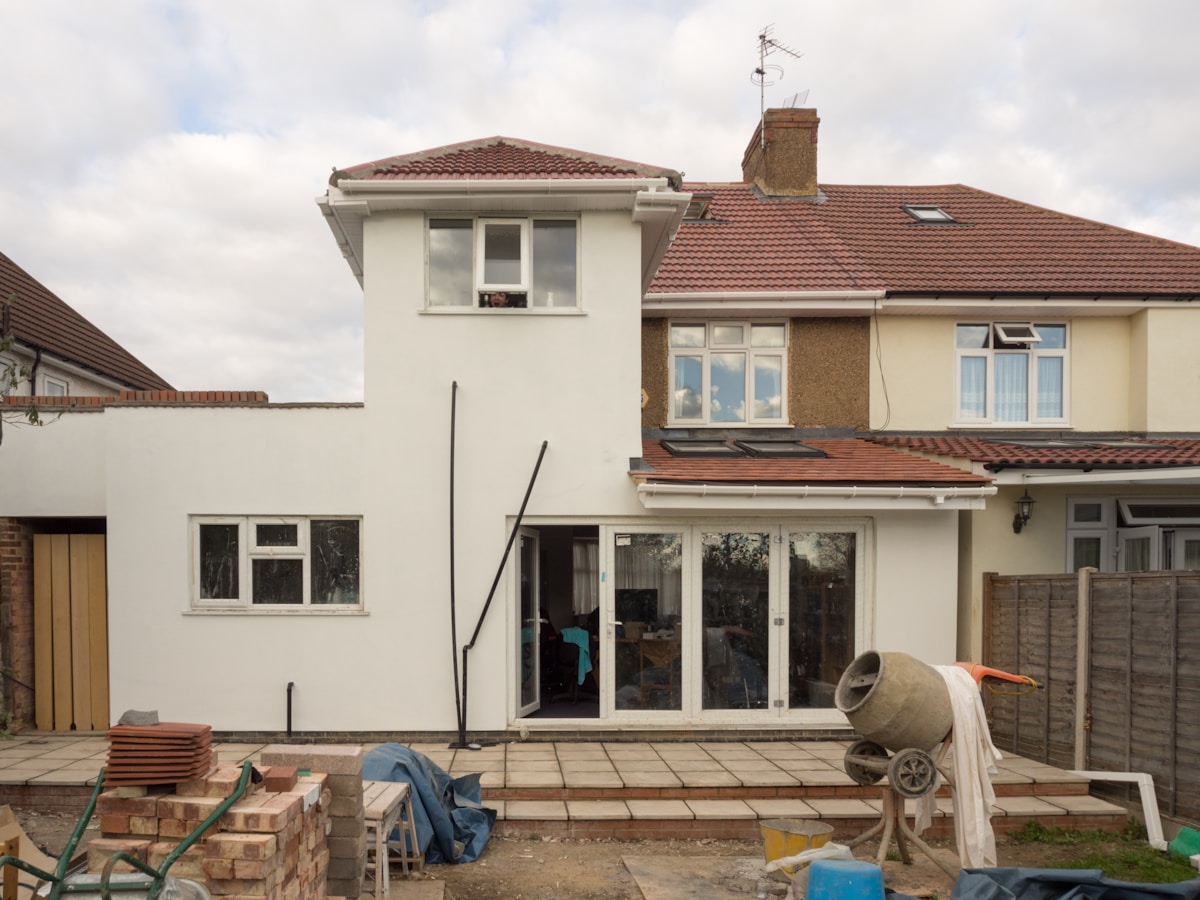
Refinancing frees up equity to grow your rental portfolio faster
What Closing Costs Should You Expect on a Rental Property Refinance?
Closing costs on a rental property refinance typically run 1.5% to 3% of the loan amount. On a $300,000 loan, that's $4,500 to $9,000. The main line items include origination fees (0.5% to 1%), appraisal ($400 to $700), title insurance, escrow fees, and recording charges. Some lenders charge higher origination on investment properties compared to owner-occupied — our programs keep origination competitive because we specialize exclusively in investor loans.
One common mistake: rolling closing costs into the new loan balance. This is convenient, but it increases your loan amount and can push your break-even out further. If you have the cash, paying closing costs out of pocket gives you a cleaner comparison. The calculator above uses the closing cost figure you enter regardless of whether you finance it or pay out of pocket — just be aware of how financing it affects your actual monthly payment.
Can You Refinance a Rental Property Without Tax Returns?
Yes — that's exactly what DSCR loans are built for. Traditional bank refinances require two years of tax returns, proof of personal income, and debt-to-income ratio calculations. DSCR refinancing skips all of that. The only income that matters is what the property generates in rent. If the property's DSCR meets the program minimum (typically 1.0x to 1.2x), you qualify.
For properties that don't meet even a 1.0x DSCR — maybe because rents are below market or you're mid-renovation — our No-Ratio DSCR program removes the DSCR requirement entirely. You qualify based on LTV, credit score, and down payment alone.
Refinance Decision Checklist
- Break-even under 36 months — the refinance pays for itself quickly
- Rate drop of at least 0.5% to 0.75% from your current loan
- You plan to hold the property beyond the break-even point
- Cash-out funds have a clear deployment plan (next acquisition, renovations)
- Property DSCR meets program minimums (or use No-Ratio if below 1.0x)
- No prepayment penalty on your current loan (or the savings outweigh the penalty)
Get Your Refinance Rate Quote
You've run the numbers — now let's make it happen. Apply online or call us with your property details. We'll quote your exact rate, closing costs, and break-even timeline. No application fees, no obligation.